
In 2022, Kaspersky experts discovered almost 200,000 new mobile banking Trojans, which thus marked a double increase compared to the previous year’s figures. This alarming increase in the number of mobile banking Trojans is also the highest reported in the last six years.
These and other findings are included in Kaspersky’s “Mobile Threats in 2022” report. With the evolution of mobile services and technologies, more and more threats to mobile devices appear. To address this growing concern, Kaspersky experts constantly monitor the mobile threat landscape, track threat trends and inform users and the cybersecurity community about potential risks. In 2022, Kaspersky products detected 1,661,743 malware or unwanted software installers. One of the most dominant and widespread mobile threats are mobile banking Trojans.
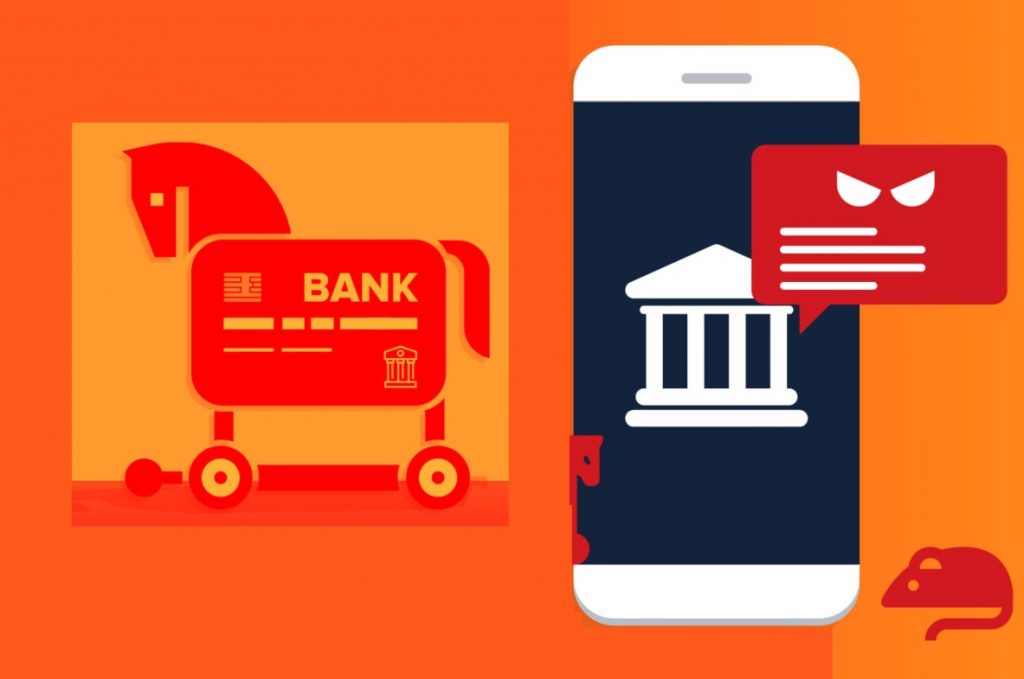
These Trojans are used to search for data related to online banking and electronic payment systems. In 2022, Kaspersky detected 196,476 mobile banking Trojan installers, twice as many as in 2021, and the highest number for the past six years.
This suggests that cybercriminals are targeting mobile phone users and are increasingly interested in stealing financial data, actively investing in the creation of new malware, which can lead to significant financial losses for the individuals they target.
Cybercriminals often spread Trojan banker malware on both official and unofficial app stores. Google Play still contains banking Trojan downloaders such as Sharkbot, Anatsa/Teaban, Octo/Coper and Xenomorph, all disguised as utilities.
For example, Sharkbot actively distributed installers that mimic a file manager that can request permission to install additional packages necessary for the Trojan to run on the user’s device, compromising their security.
To protect yourself from mobile threats, Kaspersky advises the following: It is safer to download your apps only from official stores like Apple App Store,
Google Play or Amazon Appstore. Apps from these stores aren’t 100% safe, but at least they’re vetted by store agents and there’s some sort of filtering system — not all apps can get into these stores.
Check the permissions of the apps you use and think carefully before allowing anything in an app, especially when it comes to high-risk permissions like accessibility services.
A reliable security solution can help you detect malicious apps and adware before they start working on your device.
You can get protection, like that of Kaspersky’s consumer products, directly from mobile operators. Users of iPhone devices have certain privacy controls provided by Apple, and users can block apps from accessing photos, contacts, and GPS features if they feel these permissions are unnecessary.
A good tip is to update your operating system and important applications as updates become available. Many security issues can be resolved by installing software updates.
Kaspersky calls on the mobile device industry to improve cyber protection at all levels, including security for users, by providing personalized cyber security services.
Kaspersky’s Consumer Business Alliances enable companies to offer their customers comprehensive cyber security portfolios, backed by Kaspersky’s global expertise and support.
0 Comments