

Apps that claim to speed up your phone have been around since the Play Store was still called the Android Market, and most of them are just plain fake.
Whether they say they’ll boost RAM, speed up performance, or cook your breakfast, they’re usually just closing background processes at best, and this practice actually does more harm than good. Thankfully, Google is finally getting tough on these apps with Android 14.
Esper’s Mishaal Rahman reported that Google is changing a key API used by task killer apps. Most of these applications use the KILL_BACKGROUND_PROCESSES permission to call a system function that stops all applications running in the background.
This momentarily frees up RAM and has a fleeting effect on CPU load, but Android automatically manages background processes, so most of the closed processes will simply restart. The act of restarting takes more of a toll on system resources, as background tasks run by terminated apps have to start over. In Android 14, when an app calls this function, the system will now only allow it to kill its own background processes.
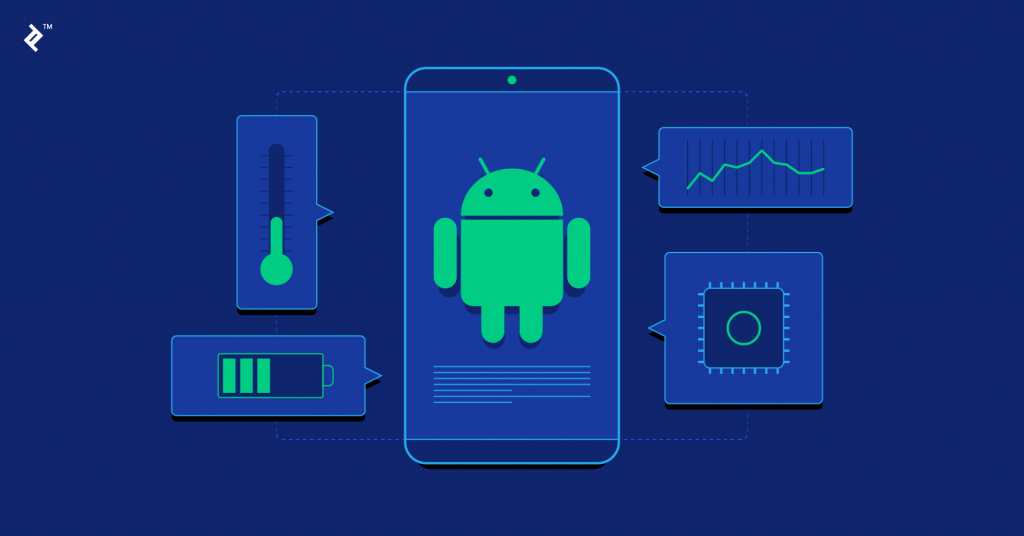
Even if the app targets an older Android version and sends the specific package name of an app to be closed, it will have no effect. In fact, this is now only possible by system applications that have the right to terminate any application other than themselves.
This API change already existed in Android 14 DP1, but documentation for the change has only now become available with DP2.
In the documentation, Google directly states that it is not possible for a third-party application to improve the memory, power or thermal behavior of an Android device. Additionally, he says Android is designed to cache apps in the background and automatically terminate them when the system needs memory, and task killer app developers should ensure their app complies with Google Play’s policy against misleading claims.
Google is essentially enforcing the removal of these deceptive apps, and it’s nice to see that the company isn’t mincing its words when dealing with the behavior of these apps.
The Play Store blocked over a million apps in 2021 alone for violating policies, so hopefully these changes will lead to a drastic reduction in performance-enhancing apps in the future.
0 Comments