
Prophetic, a recently founded venture capital-backed startup, is harnessing the untapped potential of lucid dreaming to increase productivity.
Lucid dreaming involves the awareness of dreams during the sleep cycle and the ability of the individual to influence or control the narrative of the dreams. About 70% of people experience this phenomenon at least once in their lifetime. Prophetic introduced an innovative headgear called “Halo”.
Halo aims to enable users to harness the power of lucid dreaming for increased productivity during nighttime activities, such as coding while sleeping. Recognizing that humans spend approximately one-third of their lives asleep, Prophetic seeks to overcome perceived inactivity during sleep by inducing a state of lucid dreaming.
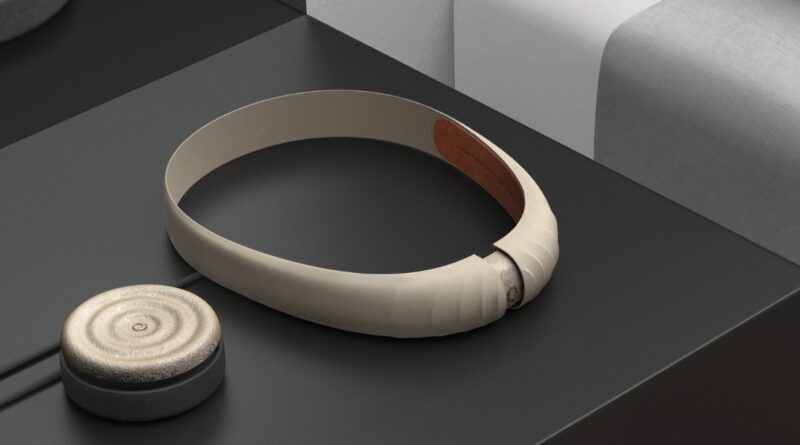
Halo was developed in collaboration with Afshin Mehin, the designer of the Neuralink N1 for Elon Musk’s brain implant company. The device is designed as a crown worn by users to take control of their dreams. According to the company’s website, Halo uses a combination of ultrasound and machine learning models, leveraging EEG and fMRI data to detect users’ REM sleep to induce and stabilize lucid dreams.
Prophetic plans to deliver data from the current research to the Donders Institute in the Netherlands by spring 2024. It also aims to ship the Halo devices in spring 2025, pricing them between $1,500 and $2,000 each. Despite expert skepticism about turning lucid dreams into practical tools, Prophetic has secured hundreds of thousands of dollars in bookings. This indicates a significant and eager user base awaiting the product’s release.
0 Comments