
In recent years we have had a number of studies showing that the Earth went through a cryogenic period, which was literally like a snowball in space. But now we have findings on land that support previous research and confirm the existence of the cryogenic period.
In fact, this period changed everything on the planet and had a big role in the appearance of life! The planet we call our home, the Earth, is 4.5 billion years old and during these years, we have seen great changes in geo-atmospheric conditions. Land is constantly moving and continents are changing shape and location, and climate changes are extreme. Fortunately, life on our planet has proven to be extremely resilient, adapting to the planet’s environment each time. Just every once in a while, some already don’t survive and new ones spring up, through evolution, to take their place.
Our planet had experienced periods of very intense volcanic activity, in the early years of its creation, with extremely high temperatures. Ice ages followed, and throughout these periods, life always found a way to survive. When conditions became more friendly to it, then life flourished on our planet, with an explosion of new species appearing on land, sky and sea. But, the Earth about 720 to 635 million years ago, experienced the Cryogenic Period, during which the planet froze to a percentage of 100%.
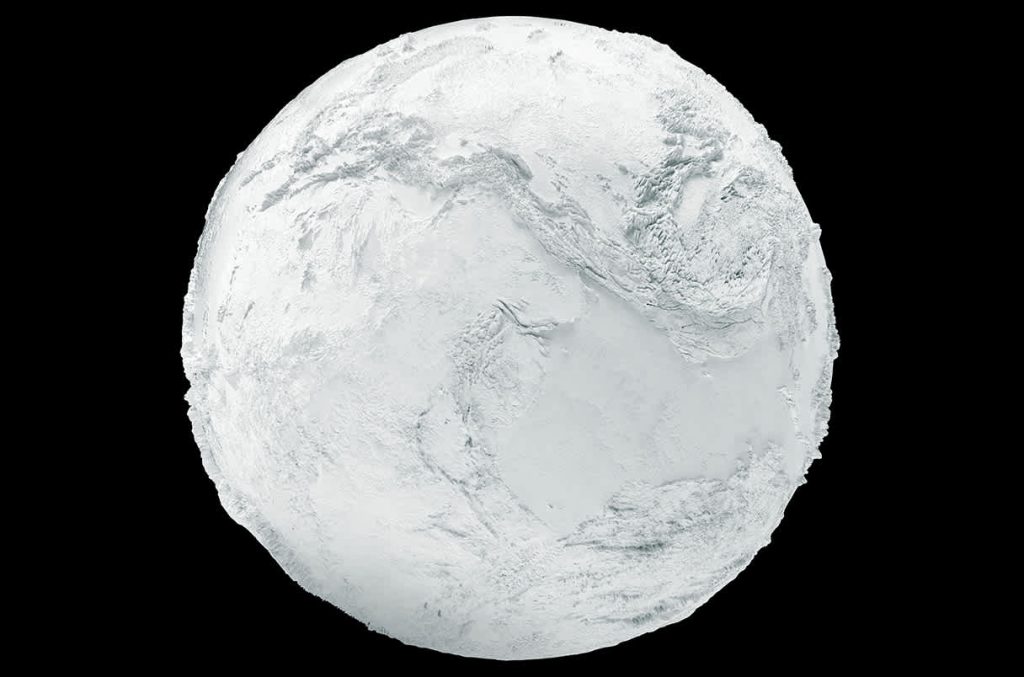
The planet turned into a monster snowball, as scientists call it. At that time, the equatorial regions, which are now among the warmest, had temperatures of -20 degrees Celsius and this was the hottest part of the planet… According to the studies, the holding theory wants only minimal openings in the ice, which had covered the entire surface. Of course, these openings were in sea areas, at the bottom of which there were hot springs that managed to melt the ice on the surface of the water.
These points were perhaps what allowed some life forms to survive. But even today we don’t know much about the pockets of life from that period that allowed life to persist until 90 million years ago, when the ice caps melted. The team behind the latest findings published the study in the journal Proceedings of the National Academy of Sciences. In it we read how sandstone samples (sedimentary rock consisting of grains of sand) were analyzed, collected from the Tavakaiv geological formation, in Colorado.
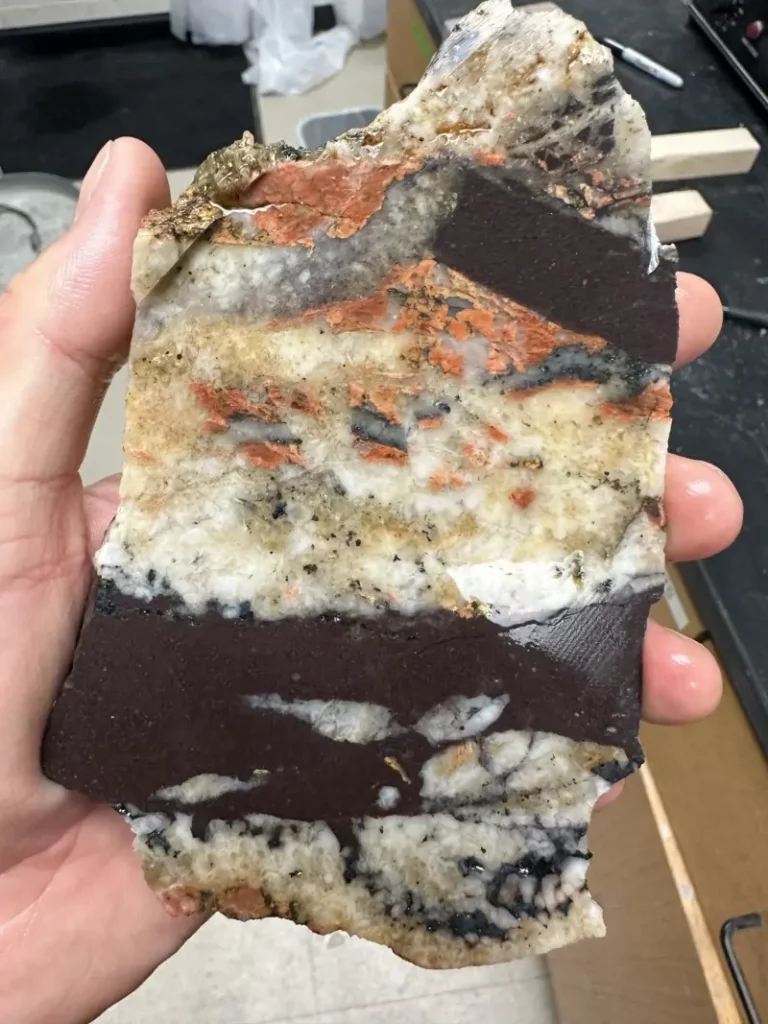
The samples show that the Earth was indeed a huge snowball. This study presents the first physical evidence that Snowball Earth reached the heart of the continents at the equator,” says Liam Courtney-Davies, lead postdoctoral researcher in the Department of Geological Sciences at the University of Colorado (Boulder) who led the new study. The sandstones found at Tavakaiv are of particular importance, since during the Cryogenian period, the Colorado region was not where it is today, i.e. near today’s northern latitude, but was closer to the equator, since it was part of the ancient supercontinent, which we call it Laurentia.
The study was published in the Proceedings of the National Academy of Sciences.
0 Comments