

Envision a future where advances in brain scanning technology allow us to observe the complex communication between individual neurons. Imagine a scenario where this information could be captured to create a computer simulation of a person’s brain.
This is the interesting idea of mind uploading – the ability to transfer a person from their biological body to a synthetic material. Coming from the intellectual movement of transhumanism, proponents such as computer scientist Ray Kurzweil, philosopher Nick Bostrom, and neuroscientist Randal Koene see mind uploading as a means of overcoming the limitations of the human condition through scientific and technological advancement.
Potential benefits include lifespan extension and the opportunity to enhance cognitive abilities with simulated brains that work more efficiently than biological ones. However, the feasibility of mind uploading rests on three key assumptions: technology, artificial intelligence, and survival. The technology assumption assumes that mind upload technology will be developed in the coming decades. Neuroscientists are currently mapping the neural connections of simpler organisms, with the complexity of the human brain a formidable challenge. However, increased efficiency, similar to that seen in the Human Genome Project, could accelerate progress.
We’ll even be working in our sleep, from 2025 onwards, with the Halo device
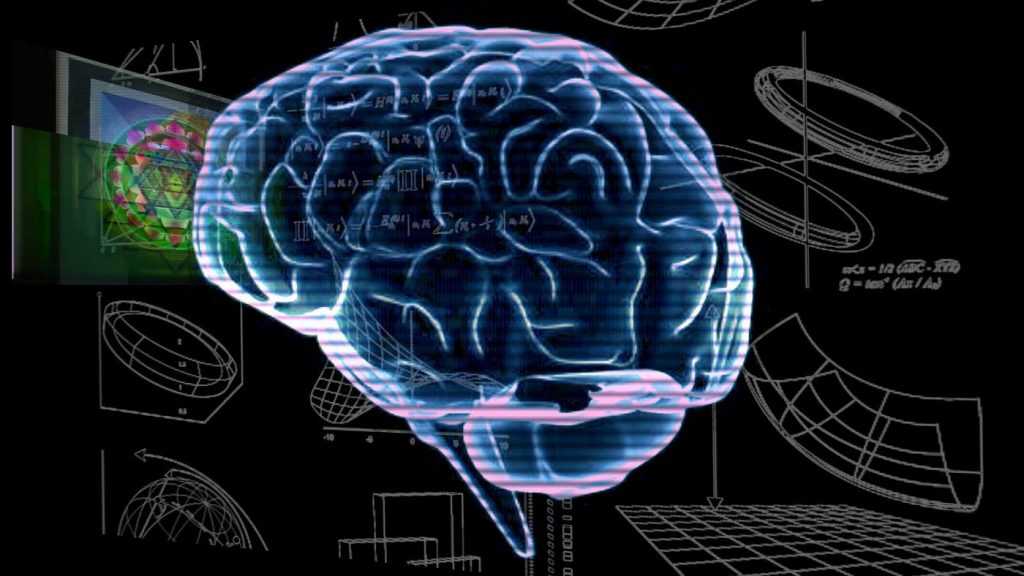
The artificial mind hypothesis explores whether a simulated brain can create a conscious mind. Cognitive scientists argue that complex neural structure, not biological matter, is responsible for consciousness. Current artificial intelligence systems powered by artificial neural networks provide evidence to support this structural approach.
Finally, the assumption of survival raises philosophical questions about whether the person who goes online via mind uploading is really the original person. It delves into debates about identity, with one camp emphasizing biological continuity and the other focusing on shared mental life. The question becomes critical when considering scenarios where the original biological individual survives the transshipment process. Despite the potential benefits, mind uploading remains a leap of faith. Empirically testing the artificial mind and survival hypotheses is unimaginable, requiring individuals to take significant risk and embrace the unknown.
The promise of overcoming human limitations through mind uploading is appealing, but uncertainties remain, making this a subject for reflection and speculation for the future.

0 Comments